

Waterproofing is a system decision before it is a product decision. Positive-side or negative-side, wet area or basement, tile finish or exposed membrane – each case calls for a different build-up. HOSECHEM supplies inorganic polymer waterproof mortars, flexible two-component coatings and the repair mortars that must often come first, so a distributor can quote the whole job coherently.
Repair comes before protection. Spalled or carbonated concrete is cut back and rebuilt with a repair mortar so the waterproof layer sits on a sound substrate. Substrate moisture is then measured; a saturated surface has to dry before a waterproof coating can bond. Skipping either step is the most common reason a waterproofing job fails prematurely.
The waterproof layer itself is applied in two coats at right angles, with reinforcement at corners, joints and penetrations where movement concentrates. In wet areas the finish is tile, so a compatible tile adhesive goes over the cured membrane. On basements and retaining walls, the coating works against ground moisture from the positive side, and the system has to remain stable until the structure is backfilled and drained.
Because waterproofing is documentation-heavy and market-specific, we issue technical and safety data for the destination rather than publishing generic sheets. Send us the water-pressure side, the substrate, the moisture state and the finish over the membrane, and our team will return a waterproofing and repair package with the appropriate grades and papers.
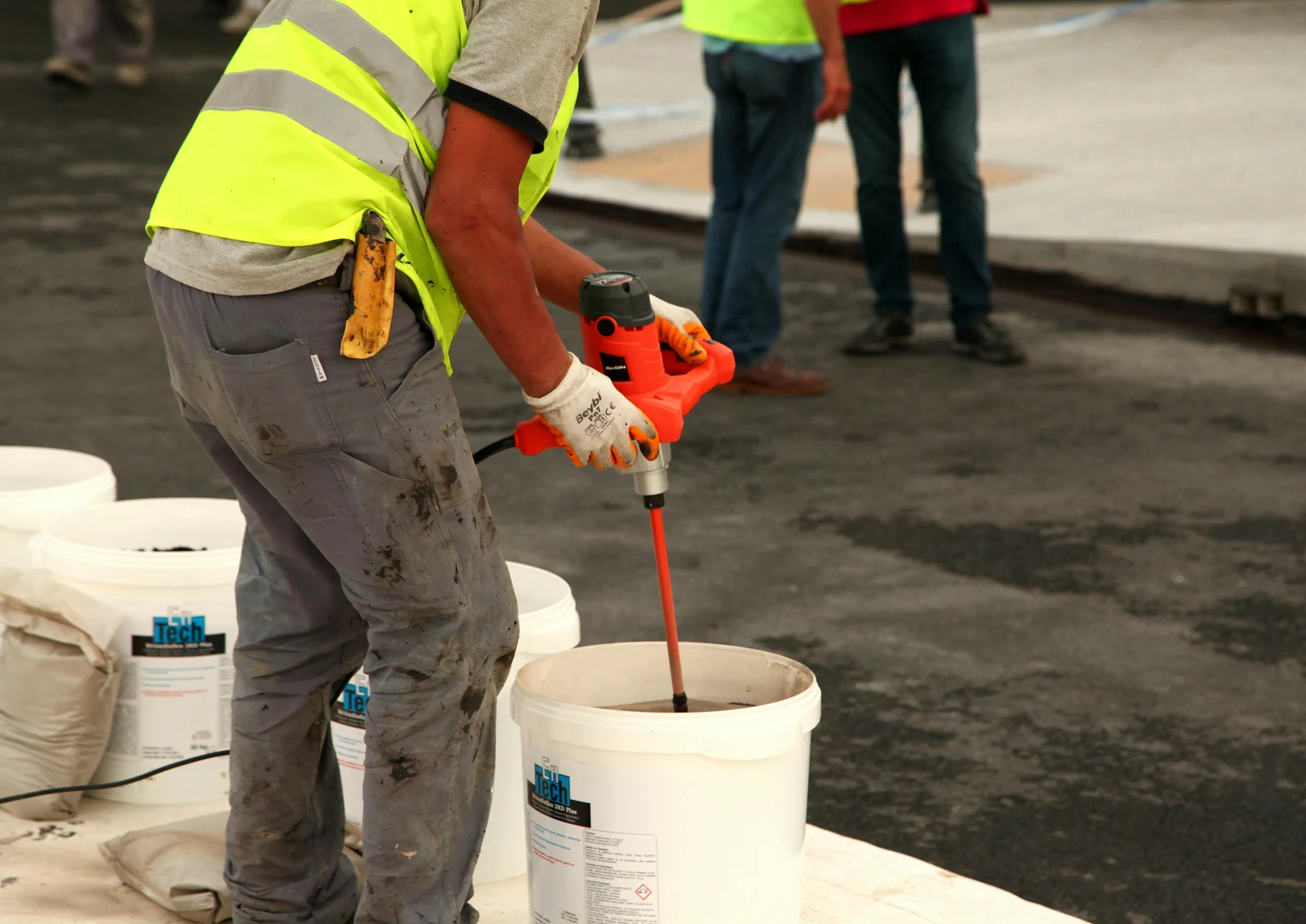

Typical applications
Wet areas
Bathrooms, kitchens and laundries — waterproof layer beneath tiles.
Basements and retaining walls
Positive-side waterproofing against ground moisture.
Concrete repair
Spalled or carbonated concrete rebuilt with repair mortar before protection.
Products used in this solution
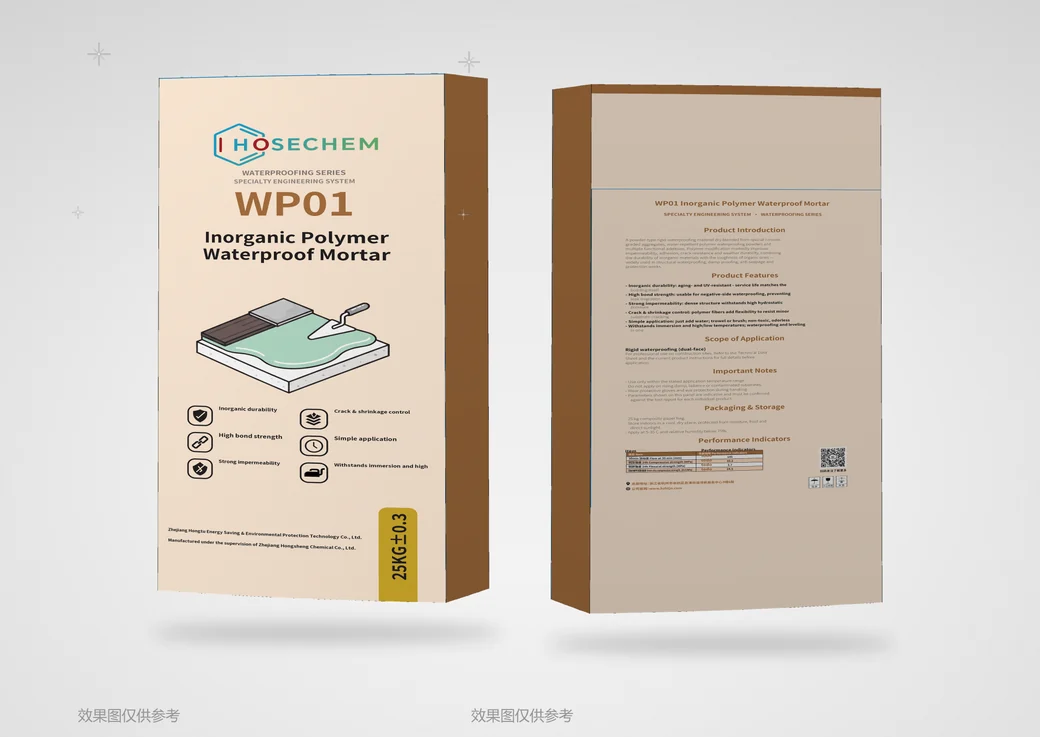


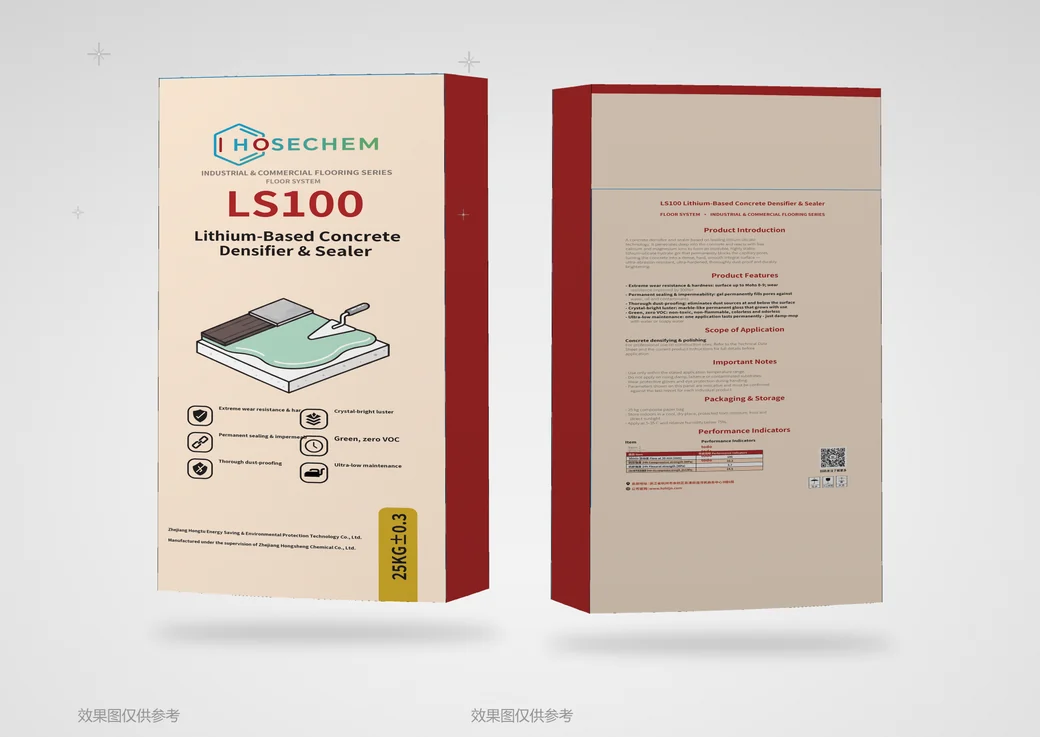
What we need to quote a waterproofing package
Water pressure side
Positive or negative side — it changes the system.
Substrate
Concrete, masonry or render; moisture content at the time of application.
Finish over the membrane
Tile, render or exposed — the top layer decides the grade.
Installation sequence
The same four steps on every project — the products change, the logic does not.
Repair first — spalled or honeycombed concrete cut back and rebuilt with repair mortar.
Moisture check — substrate moisture measured; saturated substrates must dry before waterproofing.
Waterproof layer — two coats applied at right angles, with reinforcement at corners and penetrations.
Protection or finish — tile adhesive or render applied over the cured waterproof layer.
Waterproofing needs the right paperwork
TDS and MSDS are issued per market with the quotation.